
In the K-beauty industry, surplus products are not a one-off exception but a structural outcome of fast product cycles, frequent rebranding, export constraints, and shifting demand forecasts that are characteristic of K-beauty’s trend-driven and speed-focused operating model. Industry data shows a sharp acceleration in product launches, with Korean cosmetics introductions increasing significantly between 2021 and 2025, reflecting the industry’s rapid innovation cycle and competitive pressure .
For many brands operating across domestic and international markets, excess inventory is therefore less a question of whether it will occur and more a question of how it is managed once products can no longer be sold through primary channels.
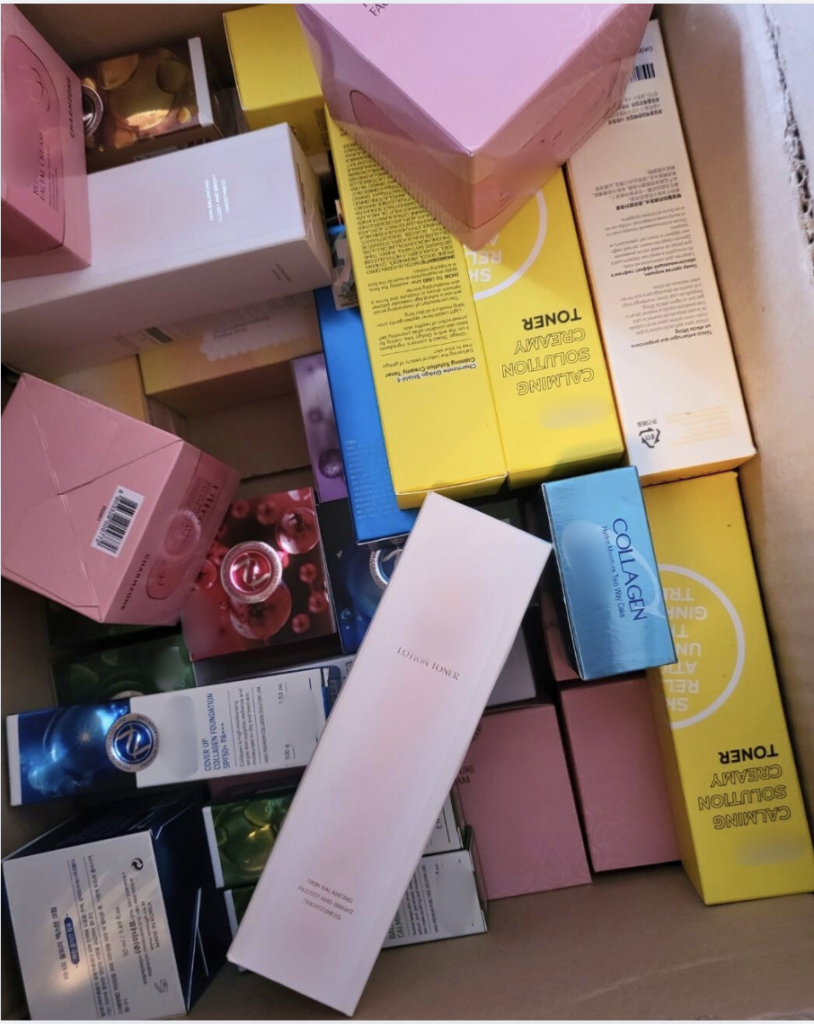
As sustainability expectations rise and operational margins tighten, surplus management is no longer just a logistical concern. The way brands handle excess products increasingly carries business, compliance, and reputational implications particularly for K-beauty companies whose growth depends heavily on global retail partners and export credibility.
K-beauty exports surpassed USD 10 billion in recent years, reinforcing how international expansion increases regulatory scrutiny and operational risk when inventory moves across markets.
Surplus Is a Structural Issue in K-Beauty
K-beauty brands operate in an environment defined by speed and constant renewal. Rapid concept testing, short development cycles, and frequent market launches are central to how K-beauty brands compete, allowing them to respond quickly to trends and consumer demand. The industry’s continuous innovation cycle, with hundreds of launches tracked annually, illustrates how differentiation strategies often prioritize speed to market over long lifecycle stability.
Unlike categories with longer product cycles, beauty products are further constrained by expiration dates, safety requirements, and brand positioning considerations. In K-beauty, where novelty and “newness” are closely tied to brand relevance, products can lose commercial viability faster than their functional lifespan would suggest. Once products fall outside commercial channels, brands face limited time and flexibility to respond, making surplus management a high-stakes operational decision rather than a passive clean-up task.
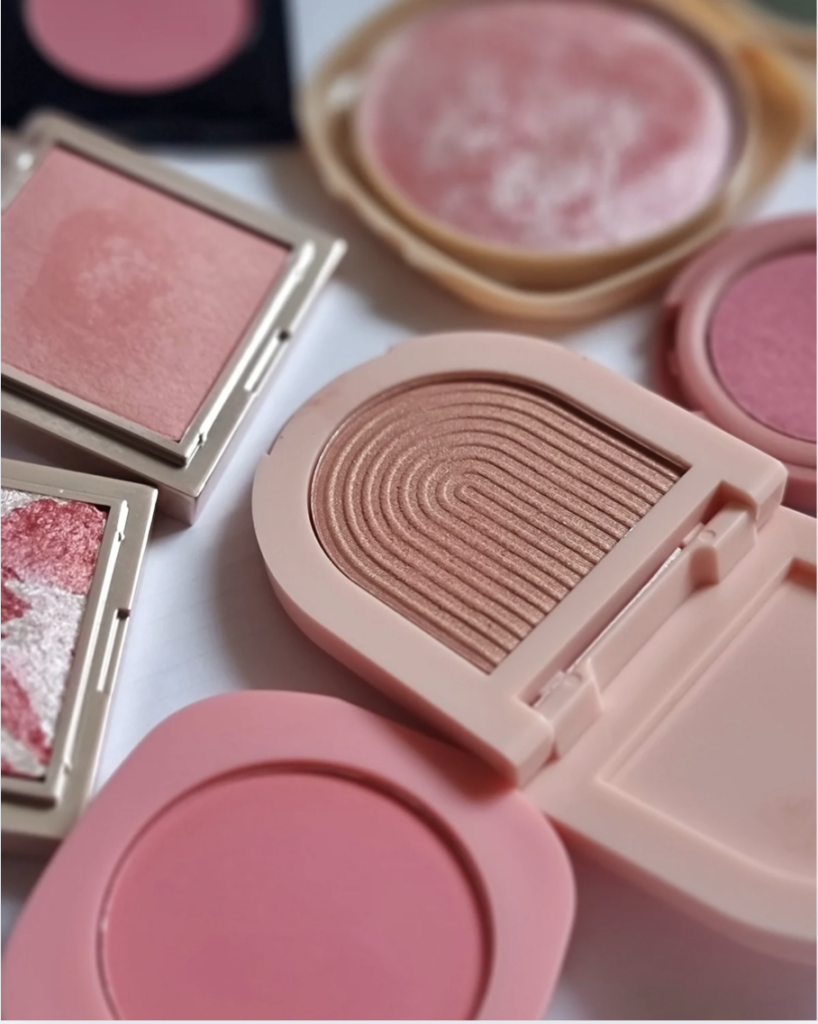
What Happens When Products Can’t Be Sold
When surplus arises, brands are faced with a limited set of options, each addressing immediate pressure while introducing trade-offs around cost, control, or brand protection. Common responses include extended storage in the hope of future resale, discounting or secondary markets that may erode brand equity, export or resale in alternative markets constrained by regulation, disposal with its financial, environmental, and reputational costs, and donation, often viewed as the most socially responsible option. As global retailers and regulators increase oversight of product safety and cross-border compliance, uncontrolled redistribution or grey-market leakage has become a growing concern for beauty brands expanding internationally.
For K-beauty brands operating across multiple regions, these decisions are further complicated by cross-border regulations and the risk of uncontrolled redistribution into grey or parallel markets. The challenge is that surplus management rarely allows brands to optimize for cost, speed, compliance, and brand protection at the same time. While some options reduce short-term losses, they often introduce hidden risks related to regulation, operational burden, or loss of control once products leave primary channels.
Why Donation in Beauty Requires More Than Good Intentions
Donation is often perceived as a straightforward solution, but in the beauty sector it is operationally complex. Brands must account for product safety, shelf life, traceability, documentation requirements, and the capabilities of recipient organizations to handle regulated products responsibly. Because cosmetics are classified as regulated consumer goods in many export markets, redistribution requires clear verification processes and supply-chain visibility to avoid compliance issues.
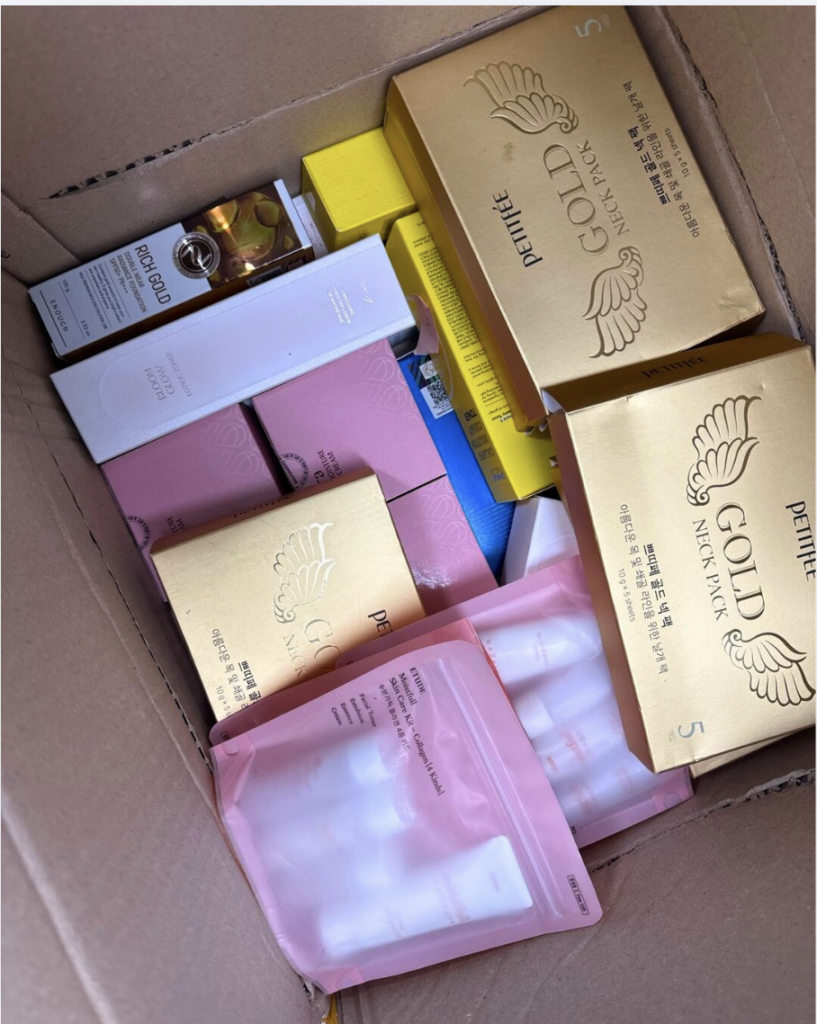
For K-beauty brands in particular, donation decisions are closely tied to brand reputation, both domestically and in export markets, where misuse or misplacement of products can quickly undermine trust. Without proper structure, donation can increase internal workload, expose brands to compliance risks, and limit visibility into where and how products are ultimately distributed. As a result, many brands hesitate to pursue donation at scale, even when sustainability and ESG goals are a priority.
From One-Off Decisions to a Strategic ESG Approach
As ESG priorities move closer to the center of business strategy, surplus management is no longer treated as a collection of one-off decisions. Brands are under growing pressure to handle excess products in ways that are consistent across markets, defensible from a compliance perspective, and aligned with how they publicly define responsibility. Major Korean beauty players such as Amorepacific are investing in circular packaging, waste-reduction infrastructure, and zero-waste-to-landfill initiatives as part of broader sustainability commitments.
In practice, this means looking for approaches that protect brand value, reduce the operational burden on internal teams, ensure traceability, and produce impact that can be measured and reported. Achieving this requires moving beyond informal donation efforts toward models that are structured, repeatable, and able to function at scale.
Where Structured Partners Come In
Turning surplus management into a structured, scalable practice is not something most brands can realistically execute on their own. This is where specialized partners like MONA come into play.
MONA operates as a for-profit impact partner, supporting brands in the design and management of surplus programs that meet regulatory requirements while remaining traceable and scalable across markets. In the context of K-beauty, this includes navigating frequent product turnover, cross-border compliance, and the operational complexity created by high launch volumes. Rather than functioning as a charity, MONA coordinates logistics, verification processes, and downstream partners to ensure surplus products are redistributed responsibly and with appropriate safeguards in place.
By embedding surplus management into an operational framework, brands are able to meet ESG objectives while respecting business constraints, without placing additional complexity on internal teams that are not set up to manage these processes independently.
What Brands Gain from a System-Based Model
A system-based approach to surplus management delivers practical benefits for brands. It reduces operational and reputational risk by replacing ad-hoc decisions with clear processes, creates closer alignment between ESG commitments and day-to-day execution, and frees internal teams from managing complex, non-core workflows.
Over time, this shift allows surplus to be treated not as a recurring liability, but as a predictable and manageable part of normal operations.
Rethinking Surplus Management in K-Beauty
Surplus products are inevitable in a fast-moving industry like K-beauty. Waste, however, is not.
With the right systems and partners in place, brands can move beyond one-off decisions and adopt long-term approaches that balance efficiency, responsibility, and operational control. As expectations around sustainability continue to rise, structured surplus management is becoming less a differentiator and more a baseline requirement for credible and competitive brand operations.
For more information about MONA or upcoming She Makes Impact events, please visit
Official website:https://monaofficial.co/
Instagram:https://www.instagram.com/monaofficial.co/
LinkedIn:https://www.linkedin.com/company/monaofficial/